Every wide dink you chase ends the same way: one foot planted at an angle, your weight loading its outside edge, and a fraction of a second where your foot, your shoe and your ankle either hold together or don't. Lateral stability is the name for holding together, and part of it comes from what you wear.
The pickleball gear that helps lateral stability most is a court shoe with a wide, flat base and a firm heel counter. After that come an insole with a deep heel cup, lacing that locks your heel, socks that don't slide, and an ankle brace if you've sprained before. Gear supports stability, while balance and strength build it.
Below, each piece of gear is ranked by how much it adds, what it actually controls, and a quick test you can run at home to check whether yours is doing its job. There's also a plain account of what gear can't do, and of the training that fills that gap.
Key Takeaways
- Court shoes do most of the work, through a wide outsole, a firm heel counter and an upper that holds the midfoot.
- An insole with a deep heel cup keeps your heel centered, so the shoe's stability reaches your foot.
- Heel-lock lacing through the top eyelet is the cheapest stability upgrade most players haven't tried.
- Snug, moisture-wicking socks stop your foot sliding toward the edge of the shoe on hard stops.
- Ankle braces are recommended to prevent repeat sprains, and basketball research found they don't significantly slow players down.
- Higher shoe collars reduced ankle roll in lab testing, though most pickleball shoes are low-cut.
- Balance and strength training lower ankle injury rates, and gear works best alongside that training, not instead of it.
What Does Lateral Stability Mean for Your Feet?
On court, lateral stability happens in three layers at once. Your foot has to stay put inside the shoe. The shoe has to stay upright on the court, instead of tipping over its outer edge. And your ankle has to stay over your foot, instead of rolling past it. Gear can help with the first two directly and with the third only indirectly.
When one layer fails, the others take the load. A heel that slides inside the shoe lets your foot drift toward the outside of the footbed. A shoe with a narrow or worn outsole tips more easily under that shifted weight. And an ankle that's already been sprained has less margin when both of those happen together.
That's why the order of the checklist below matters. The shoe sets the platform, the insole and lacing keep your foot centered on it, and socks remove the last bit of slippage. A brace adds a direct limit on how far the ankle can roll. For the movement side of the problem, the habits for preventing ankle rolls complement everything here.
Recovery assessment
Start with your feet and playing routine
Use the 2-minute HeelBase assessment to connect your foot profile, court time, and comfort priorities with a personalized insole recommendation.
Get my recommendationThe Gear Checklist, in Order of Impact
Work through these from the top. Each one builds on the one before it, and the first two decide most of what the rest can add.
1. Court shoes built for side-to-side movement
Nothing else on this list matters as much. A court shoe is built with a wide, flat outsole that resists tipping, a firm heel counter that holds the rearfoot, and overlays on the upper that stop the foot sliding over the edge of the footbed. Running shoes are built for straight-line motion, with taller, softer heels that make a sideways plant less stable.
Look for a few specific features. A slight flare of the outsole beyond the upper on the outside of the forefoot, sometimes called an outrigger, widens the base where you push off. A lower stack height keeps your foot closer to the court. A midfoot that resists twisting stops the shoe folding through the middle on a hard plant.
Width counts as much as length. A foot that's narrower than the shoe slides toward the outside edge on every hard stop, and a foot that's wider than the footbed rolls over its edge. If your little toe presses into the side of the upper, or you can pinch a fold of material across the midfoot after lacing, the width is wrong for your foot.
Collar height can help too. In a 2026 lab study of 20 basketball players, shoes with a collar 3 cm higher reduced peak ankle inversion by roughly 8% to 20% during a simulated sudden roll, depending on the brand. Most pickleball shoes are low-cut, but a mid-cut court shoe is worth a try if your ankles roll easily.
Even the right shoe stops helping once it's worn. A compressed midsole and a softened heel counter let your foot sit lower and lean further, and worn-out pickleball shoes usually give themselves away at the heel and the outsole edge before anywhere else.
Quick test: stand in the shoe and lean your weight onto its outer edge. The upper should hold your foot over the footbed, and the outsole should stay flat on the floor instead of rolling over.
2. An insole that holds your heel in place
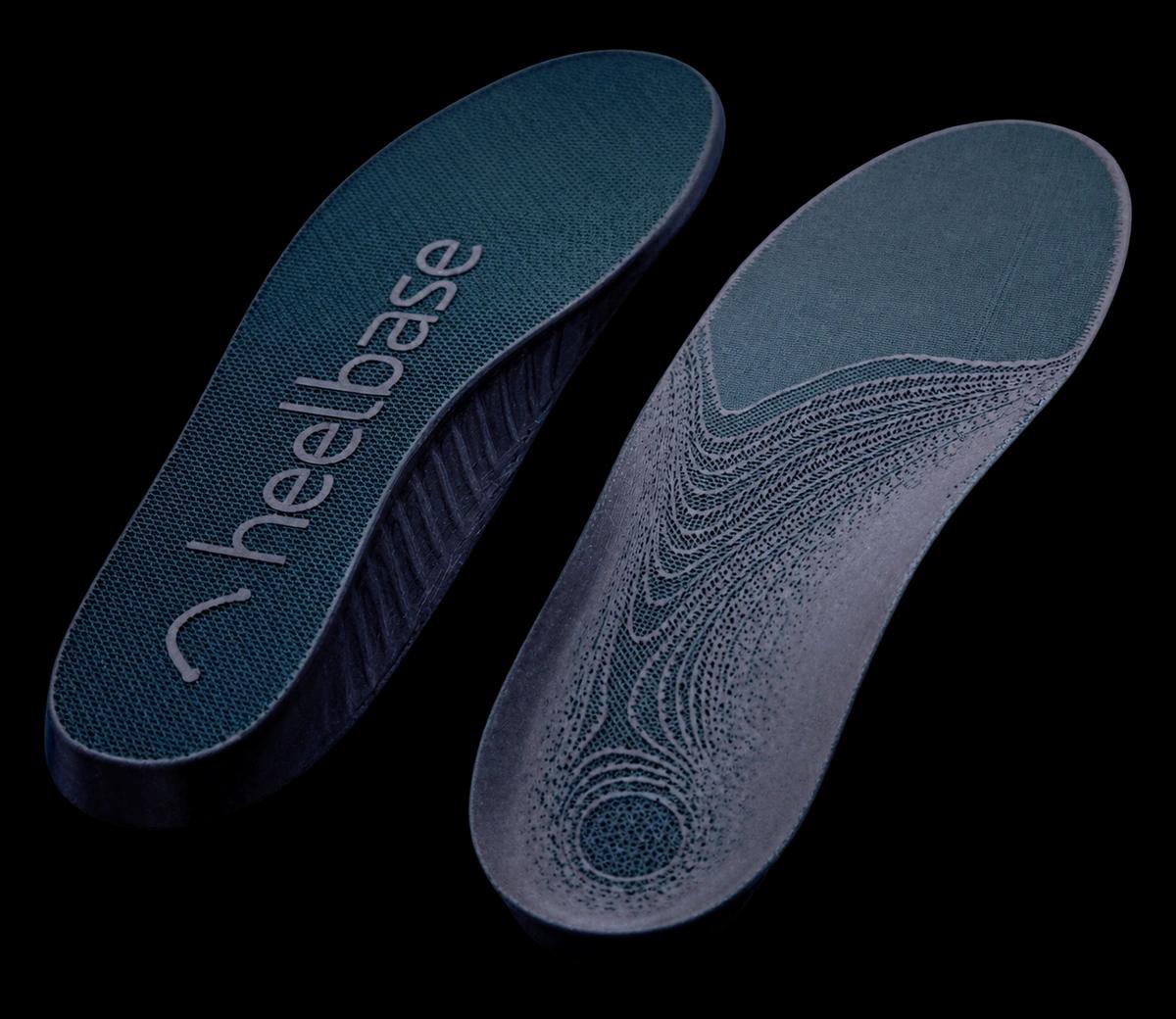
A shoe can only stabilize a foot it's actually holding. The factory liner in most court shoes is a thin, flat sheet of foam, so your heel sits on top of it with nothing around it. A structured insole with a deep heel cup cradles the heel from the sides and keeps it centered over the shoe's heel counter, which is where the shoe's stability gets passed to your foot.
A stable arch helps for the same reason. When the arch collapses on a push-off, the foot rolls inward inside the shoe, and that extra motion is exactly what you're trying to remove. Our Drive court insole uses an 11.3mm printed heel cup and a firmer arch shell printed as one piece with a softer heel pad, built for the stop-and-push load of court play.
Quick test: stand on the insole outside the shoe and shift your weight toward the outer edge of your foot. Your heel should stay inside the cup instead of riding up over its rim.
Take the factory liner out before you add a structured insole. Stacking one on top of the other lifts your heel higher in the shoe, so less of it sits inside the heel counter, which works against the stability you're trying to add.
3. Lacing that locks your heel
Many players lace straight to the second-to-last eyelet and stop. That leaves the heel free to lift and slide on a lateral stop. A heel-lock, sometimes called a runner's loop, uses the final eyelet to pull the collar snug around the back of the ankle without tightening the whole shoe.
It takes two minutes, costs nothing, and often fixes heel slip that players blame on the shoe. The heel-lock lacing pattern is the first fix to try, and the same guide covers lacing for wide forefeet and instep pressure.
Quick test: lace up, then hop side to side five times. If your heel lifts or your foot shifts toward the outside of the shoe, tighten the heel lock before anything else.
4. Socks that don't slide
Socks are the layer players think about least, and a slippery one undoes some of the work above. A thin cotton sock soaks up sweat, loosens and lets the foot slide toward the edge of the shoe on a hard stop. A snug, moisture-wicking synthetic or merino blend holds its shape and keeps the foot where the shoe and insole put it.
Fit matters as much as fiber. A sock that bunches under the ball of your foot or twists around your heel creates its own instability and its own friction. The fixes for blisters from playing pickleball and the fixes for sliding overlap almost completely.
Quick test: after a session, check whether the sock's heel has twisted toward the side of your foot. If it has, the sock is too loose or too slippery for court play.
5. An ankle brace, if you've sprained before
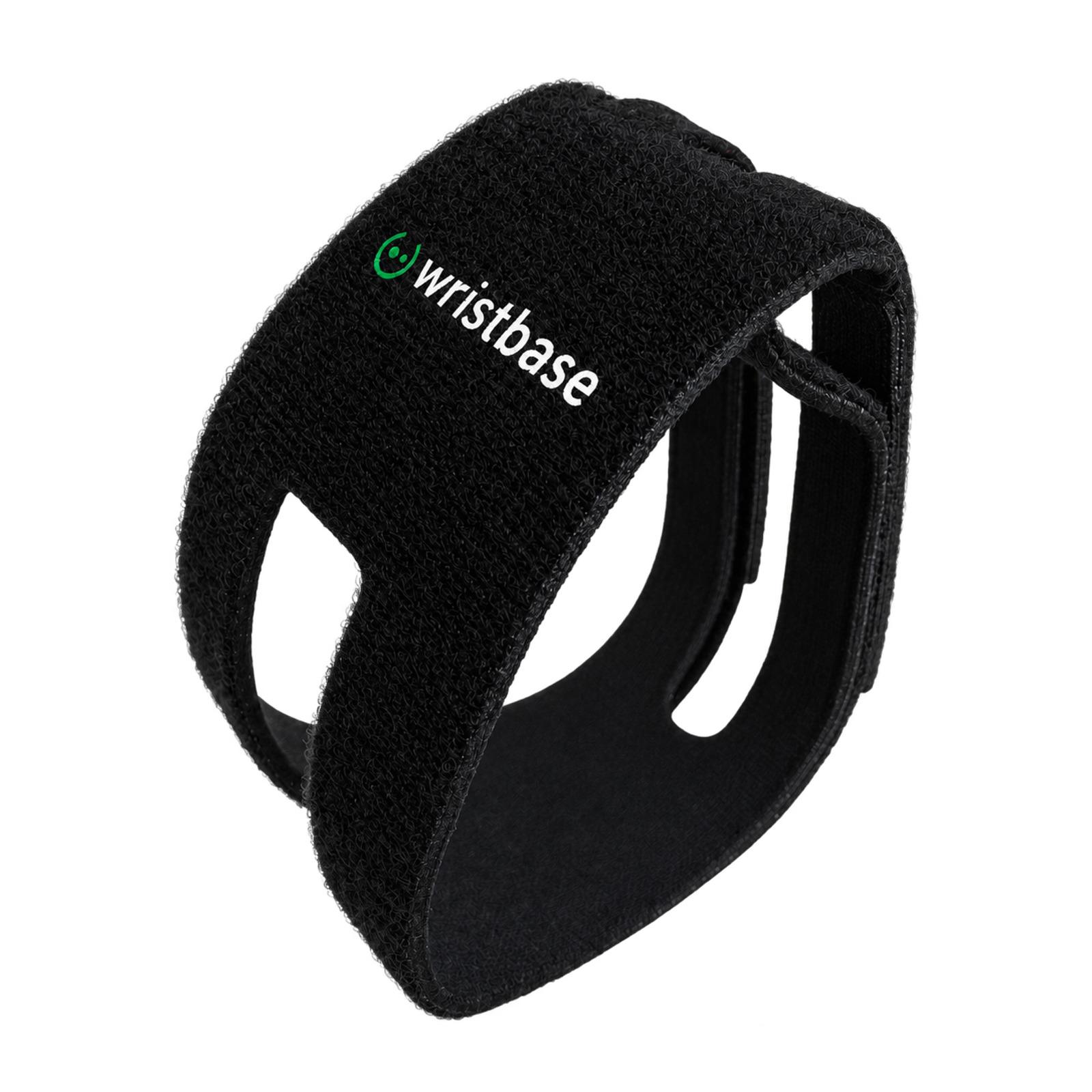
For players with a previous sprain, a brace is the most direct piece of stability gear there is. A scoping review of clinical guidelines found every one of them recommended ankle braces for preventing recurring sprains, though the guidelines disagreed on which type to use and for how long.
The worry most players have is that a brace will slow them down. A 2026 review of the basketball research concluded that ankle braces reduce injuries without significantly affecting sprinting, jumping or changing direction, and found no increase in knee injuries. Basketball isn't pickleball, but it involves more jumping and harder cutting, so the finding is a reasonable guide for court players.
- Lace-up braces wrap the ankle and tighten like a shoe, and fit inside most court shoes.
- Semi-rigid stirrup braces use side shells to limit rolling more directly.
- Compression sleeves feel supportive but restrict rolling far less than either type.
- Athletic tape works, but loosens with sweat and play and has to be reapplied each time.
Quick test: put the brace on, then your shoe. Your heel should still sit down in the heel cup, and the shoe shouldn't feel crowded. If it does, a lower-profile brace or a little more shoe volume is needed.
| Gear | What it controls | Quick test | Who needs it most |
|---|---|---|---|
| Court shoes | The shoe tipping on the court | Lean onto the outer edge | Every player |
| Insole with a heel cup | Your heel and arch moving inside the shoe | Shift weight outward on the insole | Players with heel slip or flat factory liners |
| Heel-lock lacing | Heel lift and slide | Five side hops | Anyone whose heel lifts on stops |
| Socks | Foot sliding toward the shoe's edge | Check sock twist after play | Players who sweat heavily or wear cotton socks |
| Ankle brace | How far the ankle can roll | Heel still seats with the shoe on | Players with a previous sprain |
Product spotlight
Stop sliding around inside your shoes
Drive's printed 11.3mm heel pocket holds your foot in place through shuffle steps and direction changes, while the engineered arch spreads pressure away from the plantar fascia instead of concentrating it.
Shop on-court supportWhat Gear Can't Do
Gear sets limits on motion. It doesn't teach your ankle to react. That reaction, the split-second muscle response when your foot lands at an angle, comes from training, and the research behind it is strong.
A 2026 meta-analysis of 13 randomized trials with 1,476 athletes found that neuromuscular training, which combines balance, strength and controlled landing drills, was associated with a 55% lower rate of ankle injuries than no training or conventional training. Trained athletes also reached further on standard balance tests and scored higher on sports function.
For pickleball players, that work doesn't need a gym. Single-leg balance, calf raises and a handful of foot strengthening exercises a few times a week build the reaction that gear can't supply. Gear and training stack: the best protection comes from both.
What Should You Prioritize After an Ankle Sprain?
If you've rolled an ankle in the last year, the order of the checklist shifts. A brace moves from optional to near the top, because a previous sprain is one of the clearest signs that another is more likely. The shoe still comes first, since a brace inside a worn or unstable shoe has less to work with.
- Finish the rehab exercises you were given before you return to full matches.
- Play in a court shoe with a firm heel counter, and replace it if the heel has softened.
- Wear a lace-up or semi-rigid brace for play, and ask your clinician how long to keep it up.
- Add a heel-lock lace and an insole that cradles your heel to keep your foot centered.
- Ease back in with drills and doubles before long sessions or tournament play.
Pain that lingers for weeks, swelling that returns after every session, or an ankle that keeps giving way are reasons to see a clinician, not reasons to add more gear. Gear protects a healthy ankle well, but it can't replace the rehab an injured one still needs.
How Do You Know Your Gear Is Working?
Stability gear works quietly, so it helps to know what to look for after a few sessions:
- Your heel stays seated on wide stops instead of lifting or sliding.
- The outsole wears evenly, without a heavily worn outer edge.
- You don't get new blisters along the outside of the forefoot.
- You feel confident pushing off for wide balls, instead of easing off.
And the signs it isn't: the outer edge of the shoe's upper bulging over the outsole, the insole shifting toward one side, or a sock that twists every session. Any of those means one link in the chain needs attention, and the quick tests above will usually tell you which.
Pay attention to which side gives you trouble. Players often push off harder from one foot, and the shoe, insole and sock on that side wear out faster. Replacing gear by the worse side, not the better one, keeps the chain even.
Does the Court Surface Change What You Need?
It changes the grip side of the equation. Outdoor hard courts have a textured surface that grips a court outsole well, so most instability there comes from the foot moving inside the shoe. Indoor gym floors can be dusty or polished, and a shoe that grips outdoors can slide on them.
On indoor floors, wipe your outsoles between games, and keep a dedicated pair of indoor shoes if you play there often, since outdoor grit and wear reduce grip on smooth surfaces. On outdoor courts, the high grip means the layer inside the shoe, meaning the heel cup, lacing and socks, does more of the work.
Temperature plays a small part too. Hot outdoor courts make feet sweat and swell, which loosens the fit through a session. A mid-session lace check, especially at the heel lock, keeps the setup you started with.
Does Your Playing Style Change What You Need?
A little. Players who live at the kitchen line make many short lateral shuffles and forward lunges every game, so heel hold and forefoot stability do most of the work. Players who cover the court in singles make longer wide runs and harder stops, which load the outer edge of the shoe more and wear the outsole faster on that side.
If you play mostly singles or chase a lot of lobs, check the outer edge of your outsole more often and replace shoes sooner. If you play mostly doubles at the kitchen, pay closer attention to the heel lock and insole fit, since small slips inside the shoe add up over hundreds of shuffles.
HeelBase insoles
Build a better foundation for every rally
Explore pickleball-specific insoles designed around lateral movement, heel stabilization, and the stop-start demands of the court, including the first 3D-printed on-court insole.
Shop all insolesFrequently Asked Questions
Do ankle braces help in pickleball?
Yes, especially if you've sprained an ankle before. Clinical guidelines recommend ankle braces to prevent recurring sprains, and research in basketball found braces reduce ankle injuries without significantly slowing sprinting, jumping or changes of direction. Choose a lace-up or semi-rigid brace that still lets your heel seat properly in your shoe.
Are high-top shoes better for lateral stability?
A higher collar can help. In one lab study, shoes with a collar 3 cm higher reduced how far and how fast the ankle rolled during a simulated inversion. Most pickleball shoes are low-cut, so a mid-cut court shoe is an option for players with a history of ankle rolls, as long as it doesn't restrict comfortable movement.
Can insoles improve lateral stability?
Insoles help by keeping your heel centered and your arch from collapsing inside the shoe, so the shoe's own stability reaches your foot. A deep heel cup matters most. An insole can't stop an ankle rolling on its own, and it works best inside a supportive court shoe with a heel-lock lace.
What should I look for in a pickleball shoe for lateral support?
Look for a wide, flat outsole, ideally with a slight outrigger on the outside of the forefoot, a firm heel counter, a low stack height, and overlays that hold the midfoot. Stand in the shoe and lean onto its outer edge: your foot should stay over the footbed and the outsole should stay flat.
Is tape or a brace better for pickleball?
Both can help. Tape needs reapplying for every session and can loosen as you sweat, while a brace is reusable and adjustable on court. Many recreational players find a lace-up or semi-rigid brace more practical. A physical therapist can advise which suits your ankle, especially after a recent sprain.
Do compression socks help ankle stability?
Not much. Compression socks and sleeves can feel supportive, but they restrict ankle rolling far less than a lace-up or semi-rigid brace. For stability, a snug, moisture-wicking sock that doesn't slide inside the shoe does more than compression does.
How often should you replace stability gear?
Replace court shoes and insoles by hours played, not by the calendar. A typical insole gives 300 to 500 hours of play, which works out to 6 to 12 months for most regular players. Check court shoes every few months for a worn outer edge or a softened heel counter, and replace a brace once its straps stretch or it no longer holds snugly.
Can running shoes give enough lateral stability for pickleball?
Usually not. Running shoes are built for forward motion, with taller, softer heels and narrower bases that tip more easily on a sideways plant. A court shoe built for lateral movement is the single most effective piece of stability gear for pickleball.
Start With the Shoe, Then Close the Gaps
Build lateral stability from the ground up. Get a court shoe with a wide, flat base and a firm heel counter, keep your heel centered with a deep heel cup and a heel-lock lace, and choose socks that stay put. Add a brace if you've sprained before, and back it all up with balance and strength work.
If ankle pain is already part of your game, understanding why pickleball ankles roll is a good next read. If you're choosing an insole, the HeelBase assessment takes about two minutes and starts with how you move on court.